Are Class Action Settlements Taxable? The Full Answer
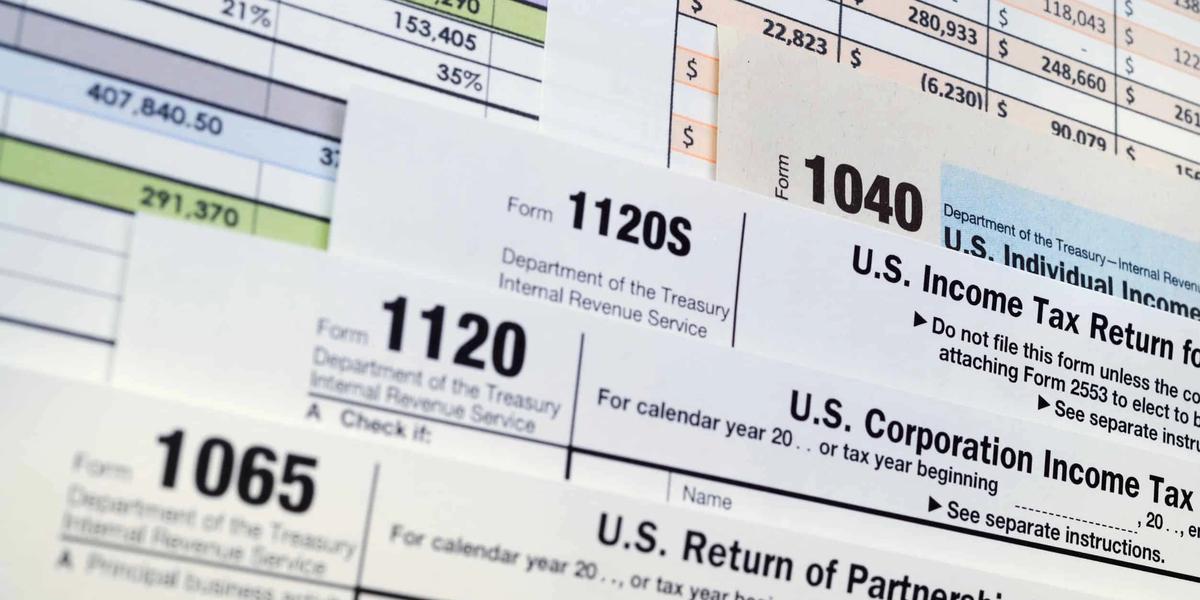
You filed a claim, waited months, and finally got a settlement check in the mail. Now you're wondering: do I have to report this on my taxes?
The answer is: it depends. And the IRS isn't going to make it easy for you. Whether your class action settlement money is taxable comes down to one key question — what was the settlement designed to replace? The answer to that question determines whether you owe taxes on it.
Here's exactly how it works.
The General Rule: Settlement Money Is Taxable
Under IRC Section 61, the IRS treats almost all income as taxable — including money from lawsuits and settlements — unless a specific exemption applies. So the default answer is yes, settlement money is taxable income.
But there are important exceptions, and most consumer class action settlements actually fall into the gray area where the answer isn't straightforward.
When Class Action Settlements Are NOT Taxable
There are two main situations where settlement money is excluded from your taxable income:
1. Physical injury or physical sickness settlements
Under IRC Section 104(a)(2), damages received specifically for personal physical injuries or physical sickness are not taxable. If you were part of a class action involving a defective medical device, a dangerous drug, or a product that caused physical harm, that portion of your settlement may be tax-free.
The key word is "physical." The injury needs to be bodily — not financial, not emotional, not reputational.
2. Reimbursement for actual out-of-pocket losses (up to your loss)
If a settlement is reimbursing you for money you already lost, it's generally not taxable — as long as the settlement doesn't exceed your actual out-of-pocket loss, and you didn't previously take a tax deduction for that loss.
For example: if you paid $200 out of pocket for a product that was part of a defective product settlement, and you receive $150 in the settlement, that $150 is generally not taxable — it's just getting your money back.
The math matters here. If the settlement pays you MORE than your actual loss, the excess is taxable.
When Class Action Settlements ARE Taxable
Most consumer class action settlements — the kind you're probably filing through ClassyAction — are taxable. Here's why:
Data breach settlements
Data breach settlements compensate you for the risk of identity theft and the inconvenience of having your information exposed. Because you're not being compensated for a physical injury, the IRS generally treats these payments as taxable income. The $25 you got from the T-Mobile settlement? Technically taxable.
Overcharging and false advertising settlements
If a company overcharged you or misled you about a product, the settlement is typically compensating you for financial harm — not physical injury. These payments are generally taxable.
Check if you qualify for this settlement
Privacy violation settlements
Settlements for unauthorized data sharing or privacy violations are compensating for non-physical harm. Taxable.
Punitive damages
If any portion of your settlement is classified as punitive damages (money meant to punish the company rather than compensate you), that is always taxable, no exceptions.
Interest on settlements
If your settlement includes any interest component — which sometimes happens when cases drag on for years — that interest is taxable as ordinary income.
The Insurance and HSA Wrinkle
Here's where it gets complicated, and where a lot of people get tripped up.
If you paid for something with tax-free money — like an FSA, HSA, or health insurance — and then receive a settlement reimbursing you for that same expense, the settlement may be taxable. Why? Because you already got a tax benefit for that expense. You can't get reimbursed tax-free for something you already deducted or paid with pre-tax dollars.
For example: if your insurance paid for a defective medical device that was later subject to a class action, and you receive a settlement for it, that settlement may be fully taxable because your out-of-pocket loss was actually zero — insurance covered it.
The practical rule: your settlement is only tax-free up to what you actually paid out of pocket, with after-tax money, that you didn't previously deduct.
Will You Get a 1099?
Possibly. The company or settlement administrator is required to send you a Form 1099-MISC if your settlement payment is $600 or more and is considered taxable income. If you receive a 1099, the IRS already knows about the payment — you need to report it.
If you don't receive a 1099, that doesn't necessarily mean the payment is tax-free. Small settlements under $600 often don't trigger a 1099, but they can still be taxable. It's your responsibility to report taxable income regardless of whether you receive a form.
How to Report Settlement Income on Your Taxes
If your settlement is taxable, report it as "other income" on your federal tax return (Schedule 1, Line 8). You'll enter the amount and a brief description like "class action settlement."
If you received a 1099-MISC, the income will typically be in Box 3 (Other Income). Report that amount on your return.
If you're unsure whether your specific settlement is taxable, IRS Publication 4345 (Settlements — Taxability) is the official resource. It's written for regular people and walks through the most common scenarios.
The Practical Reality: Most Small Settlements Are Technically Taxable But Rarely Audited
Here's the honest truth: most class action settlements pay out $25-$150 per person. At that scale, the tax impact is minimal — a $100 settlement might add $22-$37 to your tax bill depending on your bracket. The IRS isn't hunting down people who forgot to report a $50 data breach settlement check.
That said, if you're receiving a larger settlement — $500, $1,000, $5,000 or more — it's worth understanding the tax implications and reporting it correctly. The rules exist for a reason, and larger payments are more likely to generate a 1099.
Frequently Asked Questions
Is a data breach settlement taxable? Generally yes. Data breach settlements compensate for non-physical harm (risk of identity theft, inconvenience), which the IRS treats as taxable income. You should report it as other income on your tax return.
Are class action settlement payments taxable if I didn't receive a 1099? Possibly. You're required to report taxable income whether or not you receive a 1099. Small payments under $600 often don't generate a 1099, but that doesn't make them tax-free.
What if the settlement is for a physical injury? Settlements specifically for physical injuries or physical sickness are excluded from taxable income under IRC Section 104. If your settlement is for bodily harm from a defective product or dangerous drug, that portion is typically not taxable.
Are punitive damages taxable? Yes, always. Punitive damages are never excludable from income (with one very narrow exception for wrongful death cases under state laws that only allow punitive damages).
Do I need to report a $25 class action settlement? Technically yes, it's taxable income. Practically, the tax impact is a few dollars and the IRS won't come after you for it. For completeness and accuracy, you should report it. For a $25 payment, most people don't bother.
What if my settlement is more than my actual loss? The excess above your actual out-of-pocket loss is taxable. If you lost $100 and received a $150 settlement, $50 of that is taxable income.
Should I talk to a tax professional about my settlement? For small consumer settlements under $500, probably not necessary. For larger settlements, securities class actions, or any situation involving insurance coverage or prior tax deductions, yes — a tax professional can help you figure out the right treatment.
Bottom Line
Most class action settlement payments are taxable — especially data breach settlements, overcharging cases, and privacy violations. The main exceptions are physical injury settlements and reimbursements for losses you paid out of pocket with after-tax money (up to your actual loss).
If you received a 1099, report it. If your settlement was meaningful in size, check IRS Publication 4345 or talk to a tax professional. For most small consumer settlements, the tax impact is minimal but technically real.
And if you're still waiting on settlements you've filed — or haven't started filing yet — ClassyAction tracks every open settlement, reminds you of deadlines, and makes filing take about two minutes. The tax part is your problem. The finding and filing part is ours.

Founder of ClassyAction
More articles



Stop leaving money on the table.
Track settlements and discover claims you qualify for.