Kalshi Faces Potential Class Action Over Iran Prediction Market Payout
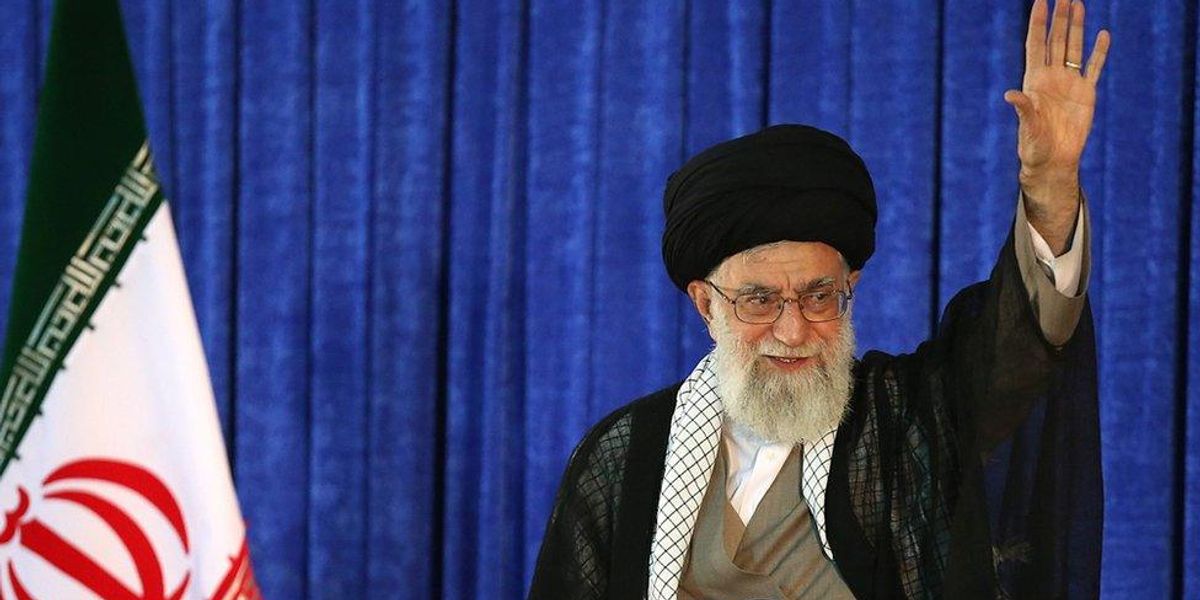
Prediction market platform Kalshi is facing a potential class action lawsuit over how it handled a controversial market tied to Iran's Supreme Leader, Ayatollah Ali Khamenei.
Former New York legislator Ben Geller announced he has hired a legal team and PR firm to pursue the case, claiming "tens of thousands" of users were adversely affected by Kalshi's settlement process.
What happened
Kalshi listed a high-volume market asking whether Khamenei would be "out" as Iran's Supreme Leader. The market attracted over $50 million in trading volume. When Khamenei was killed during a U.S.-Israeli military strike on March 1, many traders who held "yes" positions expected a full payout.
Instead, Kalshi applied what it calls a "death carveout" — a rule in its contract stating that if a leader leaves office solely because of death, the market resolves at the last-traded price before the death was confirmed, rather than paying out at the full $1.00 per share. Traders received partial payouts, some significantly less than what they anticipated.
By contrast, Polymarket — an offshore, unregulated competitor — resolved a similar market fully in favor of "yes" holders. One trader reportedly made over $553,000 on Polymarket from bets placed just hours before the strikes.
Check if you qualify for this settlement
Why users are upset
Critics say Kalshi's death carveout was buried in fine print and not clearly communicated to traders. The platform had been actively promoting the market on social media in the days leading up to the strikes, which fueled frustration when the expected payout didn't come through.
Bloomberg columnist Matt Levine argued that the way the market traded — prices going up, not down, as reports of Khamenei's death surfaced — suggests traders didn't understand the carveout. He said this could support an argument that the market design was misleading.
Kalshi CEO Tarek Mansour has defended the company's approach, stating the death carveout was included from day one and appeared in Kalshi's official filing with the CFTC. The company reimbursed all trading fees and covered an estimated $2.2 million in losses to make affected users whole. Mansour acknowledged the company communicated its rules poorly and promised improvements.
Insider trading concerns
The controversy also overlaps with allegations of insider trading. Blockchain data firm Bubblemaps identified multiple accounts that placed large bets on prediction market platforms shortly before the Iran strikes, generating significant profits. Senator Chris Murphy has alleged that individuals close to the Trump administration profited from the conflict and plans to introduce legislation to address prediction market insider trading.
What's next
The potential class action is still in its early stages. No settlement has been reached, and attorneys will need to establish legal grounds tied to contract clarity, platform disclosures, and specific user harm. The case could also raise broader questions about how prediction markets are regulated, since they fall under federal oversight as derivatives rather than state gambling law.
This comes at a tense time for the prediction market industry — Kalshi is already facing 19 separate lawsuits from state authorities, and lawmakers on both sides of the aisle are pushing for tighter regulation of platforms that allow trading on geopolitical events.
Download ClassyAction to stay updated on this lawsuit and get notified if a settlement drops.

Founder of ClassyAction
More articles


Stop leaving money on the table.
Track settlements and discover claims you qualify for.